
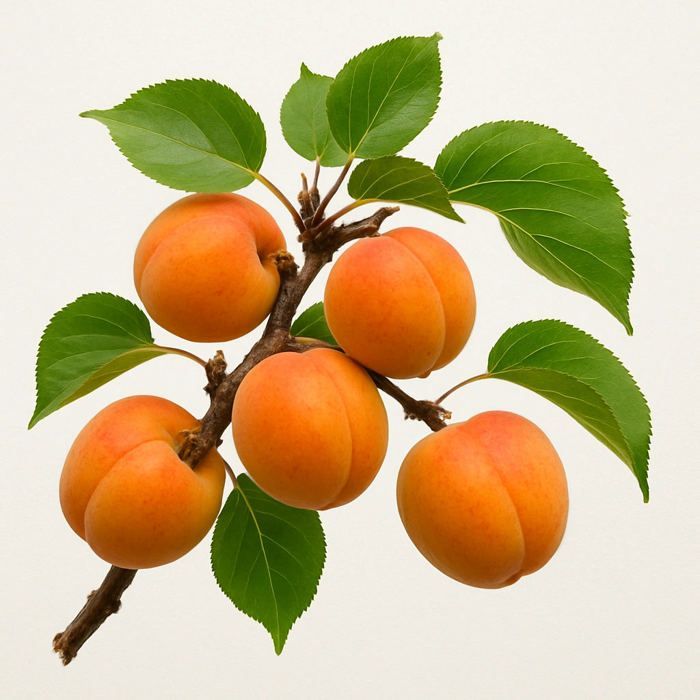
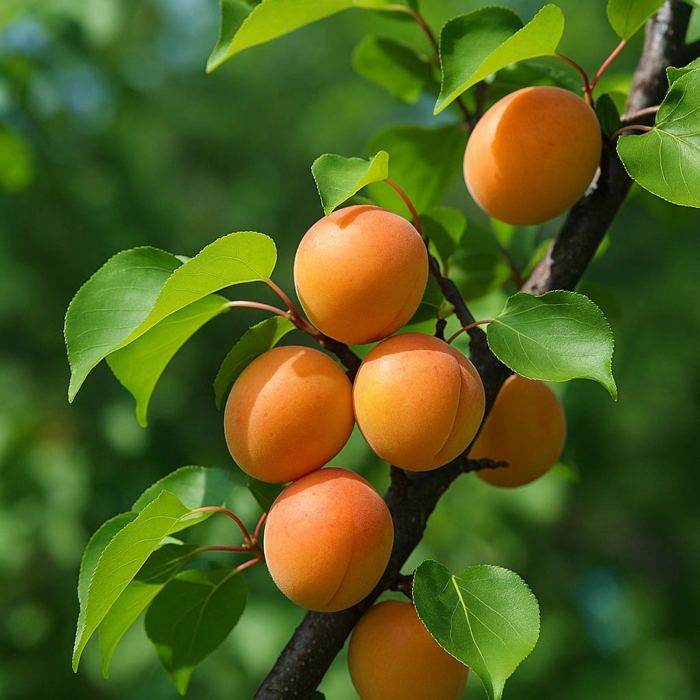


5 Common Apricot Seeds (Prunus armeniaca) The common apricot, or Prunus armeniaca, is a majestic fruit tree in the Rosaceae family, cultivated for millennia for its delicious golden fruit. Probably originating in Central Asia, it is now naturalized in many temperate and Mediterranean regions. This woody perennial can reach 3 to 6 meters in height and produces beautiful white or pink flowers in spring, followed by delicious orange apricots with juicy, sweet flesh. Other common names: Apricot tree, apricot, Armenian apricot, golden fruit tree. Growing advice: Plant type: Perennial (fruit tree) Hardiness: Good (down to -20°C depending on the variety) Exposure: Sunny, sheltered from cold winds Soil: Light, well-drained, slightly calcareous Watering: Moderate, especially during dry periods Germination: Stratification required: Yes. The seeds must undergo cold stratification for 2 to 3 months in the refrigerator in damp sand or outdoors naturally during the winter. Germination time: 1 to 3 months after stratification Sowing: In spring or autumn after stratification, directly in open ground Uses: The apricot tree is cultivated for its sweet and fragrant fruit, excellent for jam, dried, or eaten fresh. It also has ornamental value with its very early white to pink blossoms. Possible associations: An ideal companion plant for lavender, rosemary, or thyme planted along borders, which attract pollinators and limit certain fungal diseases. It can also be grown with other stone fruit trees, ensuring sufficient space for its development. Symbolism: In many cultures, the apricot tree symbolizes gentleness, fertility, and light. In Asia, it is associated with poetry and knowledge; in Europe, with generosity and the return of spring. Commitment to quality
Your Cart
All orders are processed in
USD.
While the content of your cart is currently displayed in
CYN,
you will checkout using
USD
at the most current exchange rate.
Out of stock
Some items are no longer available. Your cart has been updated.
Have a discount code?

Tip

Shipping Insurance
Subtotal
Discount
This discount code cannot be used in conjunction with other promotional or discounted offer.
Total
Taxes and shipping calculated at checkout
Comment